
Common Spiders in Arizona
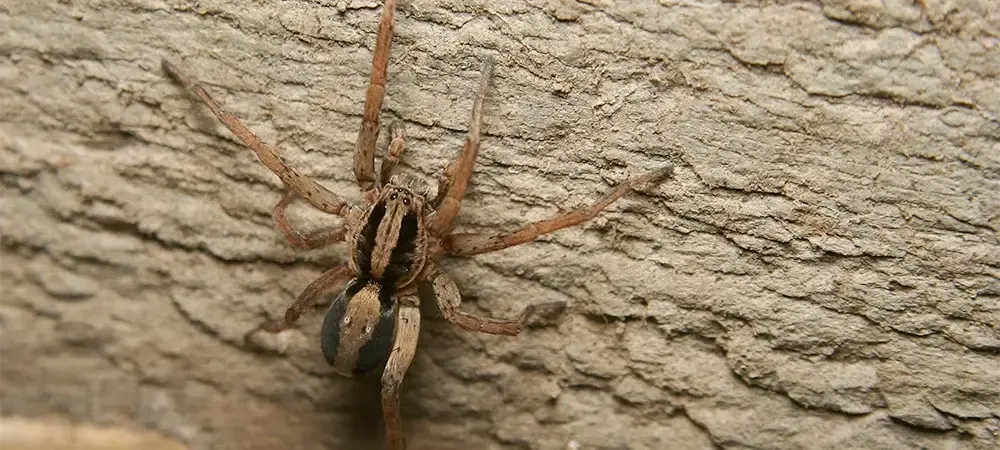
Arizona's warm, dry climate creates ideal conditions for numerous spider species. While most are harmless and actually beneficial for controlling other pests, knowing which spiders you're likely to encounter helps you identify potential concerns and understand when professional intervention makes sense.
What are the Most Common Spiders in Arizona?
You're not imagining it — Arizona has more than its fair share of eight-legged residents. From tiny jumping spiders to intimidating tarantulas, the state's warm climate and diverse ecosystems support a remarkable variety of spider species. Here are some of the most common spiders in the Grand Canyon State:
1. Black Widow Spiders
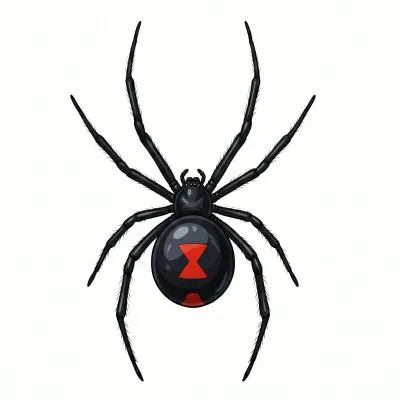
- What they look like: Shiny black body (about 1.5 inches including legs) with a distinctive red hourglass marking on the underside of the abdomen. Females are larger and more dangerous than males.
- Key characteristics: Black widows build irregular, messy webs close to the ground in dark, undisturbed areas. They're shy and typically only bite when threatened or protecting egg sacs. Their venom is neurotoxic and requires medical attention.
- Where you'll find them: Common in Arizona homes, particularly in garages, sheds, storage areas, crawl spaces, and around outdoor furniture. They prefer cluttered, dark spaces where they can hide undisturbed.
2. Desert Recluse Spiders
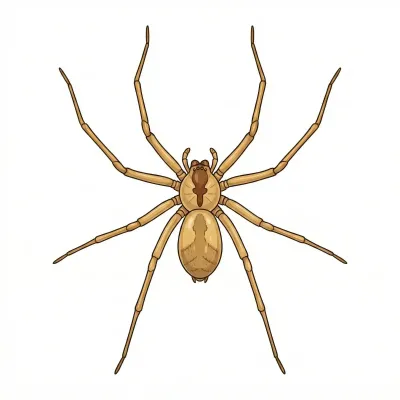
- What they look like: Light brown to tan color with a violin-shaped marking on the back (though this can be faint). Body is about 1/4 to 1/2 inch, with legs extending the total size to about 1 inch.
- Key characteristics: Unlike most spiders, which have eight eyes, desert recluses have six eyes arranged in pairs. They're nocturnal hunters that don't build webs to catch prey. Their bite can cause tissue necrosis.
- Where you'll find them: Less commonly found indoors than black widows, but they do enter homes seeking shelter. Check closets, attics, boxes, and undisturbed storage areas. Outdoors, they hide under rocks, wood piles, and debris.
3. Wolf Spiders
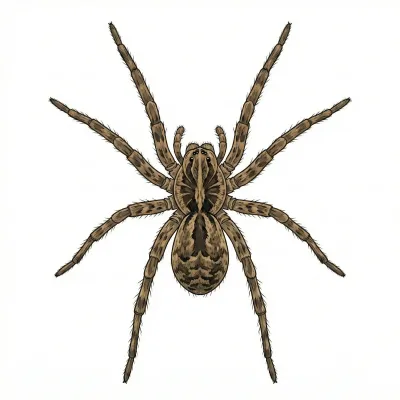
- What they look like: Large, hairy spiders (up to 2 inches) with brown and tan coloring and distinctive striped patterns on their bodies. They have eight eyes arranged in three rows, with two large eyes facing forward.
- Key characteristics: Fast-moving ground hunters that don't spin webs. Female wolf spiders carry their egg sacs attached to their spinnerets and later carry spiderlings on their backs. They're not aggressive but will bite if provoked.
- Where you'll find them: Commonly spotted indoors, especially during cooler months when they seek warmth. They enter through gaps around doors and windows. Outdoors, they hunt on the ground in gardens, yards, and under rocks.
4. Tarantulas
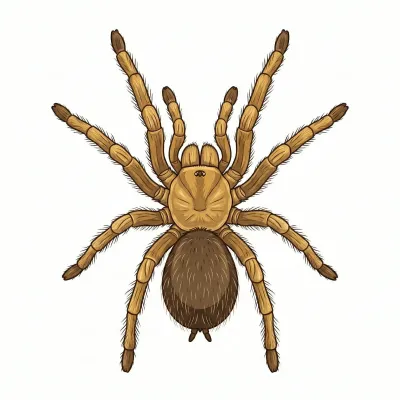
- What they look like: Large (3-5 inches including legs), heavily-bodied spiders covered in hair. Arizona species are typically brown or gray. Despite their intimidating size, they're relatively docile.
- Key characteristics: Slow-moving spiders that live in burrows. Males are often seen wandering during mating season (late summer and fall). They can live 20+ years in the wild. While they can bite, their venom is relatively mild.
- Where you'll find them: Rarely found indoors. Most encounters happen outdoors during monsoon season or mating season when males wander. They prefer desert habitats, burrows in sandy soil, and areas with vegetation.
5. Orb Weaver Spiders
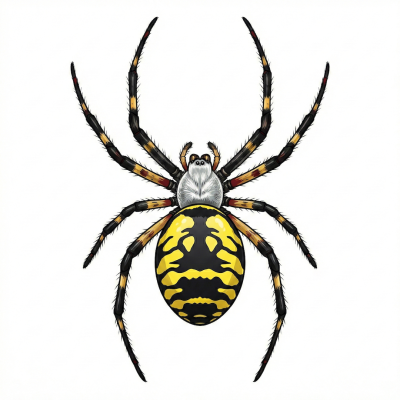
- What they look like: Variable in appearance depending on species, but many have rounded, bulbous abdomens with distinctive markings. Colors range from yellow and orange to brown and black. Size ranges from 1/4 inch to over 1 inch.
- Key characteristics: Named for their circular, wheel-shaped webs. They rebuild their webs daily, typically at night. Harmless to humans despite their sometimes large size. Excellent at controlling flying insect populations.
- Where you'll find them: Primarily outdoor spiders that build webs between structures, plants, and trees. You'll see their webs on porches, eaves, gardens, and fences. They rarely come indoors but may be found near windows with exterior lighting that attracts insects.
6. House Spiders
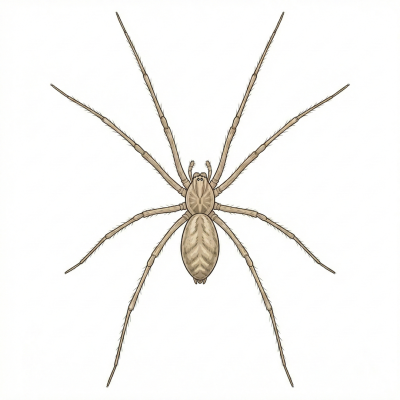
- What they look like: Small (1/4 to 5/16 inch body length), yellowish-brown spiders with a dirty white abdomen featuring darker markings. They have long, thin legs and build cobwebs rather than organized webs.
- Key characteristics: True to their name, these spiders are adapted to living indoors year-round. They're harmless and actually beneficial for controlling other household pests like fruit flies and mosquitoes.
- Where you'll find them: Very commonly found indoors in corners, closets, basements, and near windows. They prefer undisturbed areas with consistent temperature and access to small insects.
7. Jumping Spiders
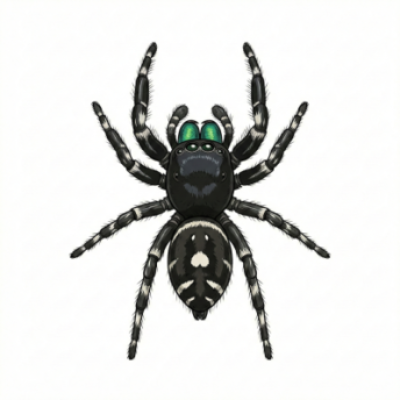
- What they look like: Small (1/8 to 3/4 inch), compact spiders with short legs and two large front-facing eyes that give them an almost cute appearance. Often black, brown, or gray with colorful markings or iridescent chelicerae.
- Key characteristics: Active daytime hunters with excellent vision. They stalk prey and pounce rather than using webs. Known for their curious behavior — they'll often turn to look at you. Completely harmless to humans.
- Where you'll find them: Both indoors and outdoors. Inside homes, you'll spot them on walls, windowsills, and ceilings, hunting for small insects. Outside, they're common on fences, plants, and building exteriors in sunny spots.
8. Daddy Long-Legs
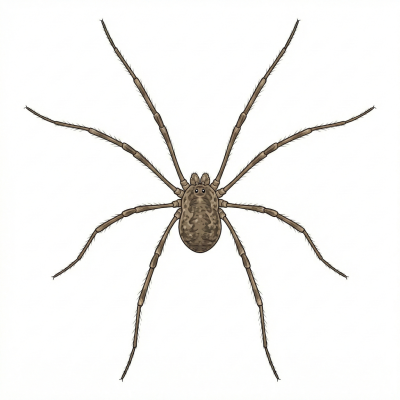
- What they look like: Extremely long, thin legs (up to 2 inches) attached to a small, round body (about 1/10 inch). Usually gray or light brown. Despite the name, true daddy long-legs (cellar spiders) are actually spiders, unlike harvestmen.
- Key characteristics: Build messy, tangled webs in corners and ceiling joints. When disturbed, they vibrate rapidly in their webs. Contrary to urban legend, their fangs are capable of biting humans, but their venom is extremely mild and poses no danger.
- Where you'll find them: Very common indoors, especially in basements, garages, and dark corners. They prefer areas with moisture and darkness. Often found in large numbers, as they tend to congregate in favorable conditions.
9. Crab Spiders
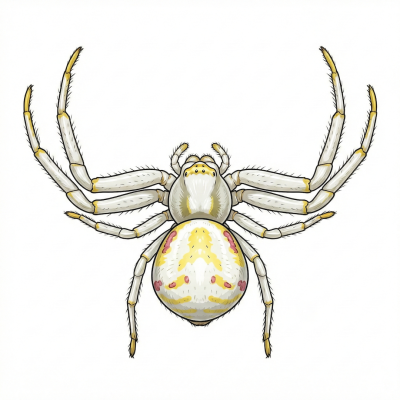
- What they look like: Flat-bodied spiders (1/4 to 1/2 inch) with legs extending sideways like a crab. Many species can change color to match flowers — white, yellow, pink, or green. Their first two pairs of legs are notably longer than the back pairs.
- Key characteristics: Ambush predators that wait motionless on flowers or plants for prey to approach. They don't build webs. Many species can slowly change color over several days to match their surroundings. Harmless to humans.
- Where you'll find them: Primarily outdoor spiders found on flowers, shrubs, and plants. Rarely enter homes. When found indoors, it's usually because they hitched a ride on plants or flowers brought inside.
Do Desert Spiders Differ from Urban Spiders?
Yes, the spider species you encounter in urban Arizona versus desert areas can differ significantly based on available habitat and food sources.
Desert spiders are adapted to extreme conditions with scarce water and intense heat. You'll find more tarantulas, desert recluses, and specialized species that burrow or hide under rocks during the day. These spiders have evolved to conserve moisture and hunt efficiently in sparse environments.
Urban spiders take advantage of human structures, consistent water sources (irrigation, pools, leaky pipes), and the abundance of insects attracted to outdoor lighting and landscaping. Black widows thrive in urban clutter, while house spiders and daddy long-legs find perfect conditions in temperature-controlled homes. Urban environments also support larger populations of orb weavers due to increased insect activity around lights.
The transition zones between urban and desert areas often have the highest spider diversity, as species from both environments overlap. Monsoon season blurs these boundaries further, as moisture drives desert spiders into urban areas seeking shelter.
How do Exterminators Treat for Spiders in Arizona?
Professional spider control in Arizona requires a targeted approach that addresses both current infestations and prevents future activity.
- Inspection and identification: The first step involves identifying spider species, locating webs and harborage areas, and determining entry points. Different species require different treatment strategies — what works for black widows differs from wolf spider management.
- Exterior barrier treatment: Professional-grade products are applied around the home's perimeter, including foundation lines, eaves, window frames, and door thresholds. This creates a protective barrier that spiders must cross to enter your home.
- Web removal and harborage elimination: Physical removal of webs, egg sacs, and spiders from accessible areas. This includes corners, eaves, garages, and storage areas. Eliminating hiding spots reduces spider populations immediately.
- Crack and crevice treatment: Targeted application in areas where spiders hide — gaps in siding, utility penetrations, expansion joints, and voids. These applications reach spiders where they're most likely to establish themselves.
- Interior spot treatment: For active infestations, targeted indoor treatment focuses on areas where spiders are present while minimizing exposure in living spaces. This is particularly important for dangerous species like black widows.
- Integrated Pest Management: Professional services often include recommendations for reducing spider attractants — addressing lighting that draws insects, managing moisture issues, and sealing entry points. Controlling prey insects reduces the food source that sustains spider populations.
Contact Greenleaf Pest Control for Expert Spider Control
Dealing with Arizona's diverse spider population requires local expertise and proven treatment methods. Whether you're concerned about venomous species like black widows and desert recluses, or you simply want to reduce the overall spider activity around your home, professional treatment delivers results that DIY methods can't match.
Greenleaf Pest Control understands the behavior patterns and seasonal activity of Arizona spiders. Our technicians identify the species present, target their specific habitats, and implement comprehensive treatment plans that protect your family while respecting Arizona's ecosystem. You can learn more about our services by contacting us today.