
About Earwings
Earwigs are common insects found in gardens, yards, and sometimes inside homes. While their appearance — especially the pincers on their abdomen — can make them look intimidating, most earwigs are harmless to humans. However, they can become a nuisance when they appear in large numbers or find their way indoors.
This page provides everything you need to know about earwigs. You’ll learn how to identify them, understand their behavior and habitat, discover why they might be entering your home, and find practical tips for preventing and managing earwig activity. Whether you’re seeing just a few or dealing with a larger problem, understanding earwigs is the first step toward keeping them under control.

What do earwigs look like?
Earwigs are easily recognized by several distinctive features:
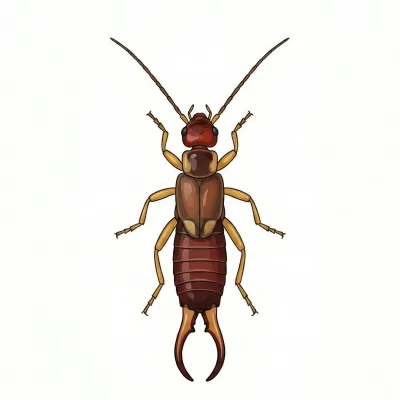
- Size and Shape: They are small to medium-sized insects, usually between ½ and 1 inch long, with elongated, flattened bodies.
- Color: Most earwigs are brown to reddish-brown, sometimes with lighter legs or wings.
- Pincers (Cerci): One of their most noticeable features is the pair of curved pincers at the end of their abdomen. These are used for defense, capturing prey, and mating.
- Wings: Some earwigs have two pairs of wings — a small, leathery front pair and a membranous hind pair folded underneath — but not all earwigs can fly.
- Antennae: They have long, thin antennae that help them navigate and sense their environment.
Because of their flattened bodies, earwigs can squeeze into tight spaces like mulch, cracks, and gaps around doors and windows. Their nocturnal habits mean they are most often seen at night or after heavy rainfall.
What are the unique characteristics of earwigs?
Earwigs have several traits that set them apart from other common household insects:
- Pincers on the Abdomen: Earwigs are best known for the curved pincers at the end of their bodies. These pincers are used for defense, capturing prey, and mating. While they may look intimidating, they are not dangerous to humans.
- Nocturnal Behavior: Earwigs are primarily active at night. During the day, they hide in dark, damp areas such as mulch, under rocks, in soil, or inside cracks and crevices.
- Moisture Preference: Earwigs are attracted to damp environments. They thrive in areas with high moisture, including gardens, flower beds, and areas near leaking pipes or irrigation.
- Opportunistic Diet: Earwigs feed on a wide range of organic matter, including decaying plants, fungi, insects, and sometimes garden plants. This flexible diet helps them survive in many environments.
- Flattened Bodies: Their slim, flattened bodies allow them to squeeze into tight spaces, making it easy for them to hide during the day and enter homes through small gaps.
- Limited Flight Ability: While some earwigs have wings, they rarely fly. Instead, they rely on crawling to move between hiding spots and food sources.
Can Earwig Populations Grow Quickly?
While earwigs do not reproduce as rapidly as roaches, their parental care and ability to survive in varied environments allow populations to build steadily if moisture and shelter are available.
Are Earwigs Seasonal Pests?
Earwig activity often increases in late spring and summer when outdoor conditions are warm and moist. Indoor sightings may rise after heavy rain or during extreme heat as earwigs seek more stable environments.
Where are earwigs commonly found?
Earwigs are typically found in cool, dark, and damp environments where they can avoid sunlight and retain moisture.
Outdoors:
- Under mulch, rocks, logs, and leaf litter
- In flower beds, gardens, and landscaped areas
- Around foundations, especially near damp soil
- Beneath outdoor furniture, pavers, and debris
Indoors:
- Bathrooms, laundry rooms, and kitchens with moisture
- Basements, crawl spaces, and garages
- Under sinks, near drains, and around leaky pipes
- Entry points such as door thresholds, window frames, and cracks
Earwig activity often increases after heavy rain or irrigation, when they are forced out of outdoor hiding spots and may move closer to or inside buildings.
What are the risks of having an earwig infestation?
While earwigs are not dangerous to humans, an infestation can still cause several issues around the home and yard:
- Garden and Plant Damage: Large earwig populations can feed on seedlings, flowers, fruits, and ornamental plants, leading to noticeable damage in gardens and landscaped areas.
- Indoor Nuisance: Earwigs do not typically cause structural damage, but their presence indoors can be unsettling. Finding earwigs in bathrooms, kitchens, or bedrooms can create stress and discomfort for homeowners.
- Contamination Concerns: Earwigs can crawl through drains, trash, and damp areas before entering living spaces, which may raise sanitation concerns when they appear in kitchens or food storage areas.
- Rapid Population Growth in Favorable Conditions: While earwigs reproduce more slowly than some pests, their ability to protect their eggs and thrive in moist environments can allow populations to build up if conditions are right.
- Indicator of Moisture Problems: A recurring earwig issue often signals excess moisture around the home, such as poor drainage, overwatering, or plumbing leaks, which can lead to other pest or structural problems if not addressed.
Earwig Prevention Tips
Here are practical steps you can take to help prevent earwigs in and around your home:
- Reduce excess moisture by fixing leaks, improving drainage, and avoiding overwatering landscaping
- Keep mulch, soil, and plant material a few inches away from the foundation
- Remove outdoor debris such as leaves, woodpiles, rocks, and yard clutter near the home
- Seal cracks, gaps, and entry points around doors, windows, and utility lines
- Use weather stripping and door sweeps to block access points
- Keep indoor areas dry, especially bathrooms, basements, and laundry rooms
- Reduce clutter in garages, basements, and storage areas where earwigs can hide
- Limit outdoor lighting near doors and windows, which can attract insects that earwigs feed on
- Schedule routine pest control if earwig activity is persistent or recurring