
How Long do Tarantulas in Arizona Live?
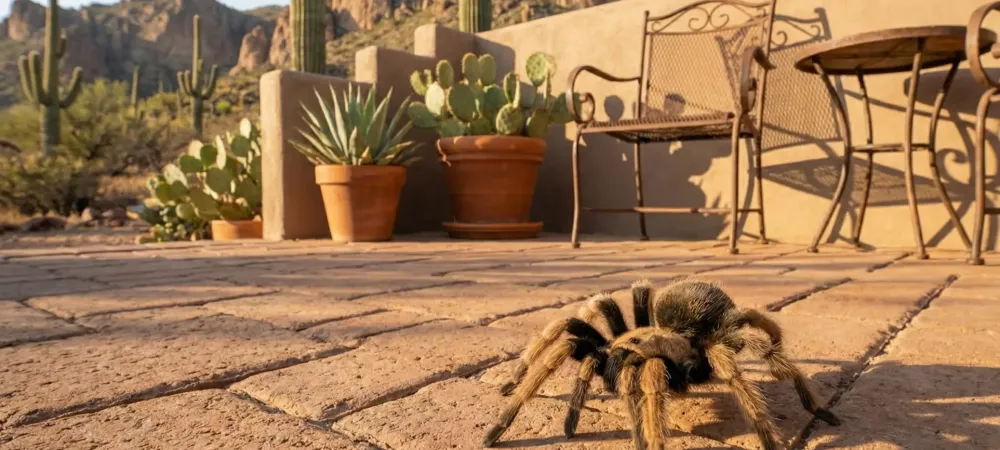
Most Arizona homeowners are surprised to learn just how long tarantulas can live. Unlike the spiders you're used to seeing — those that might live a season or two at most — tarantulas measure their lives in years, sometimes decades. This longevity explains why you might encounter what seems like the "same" tarantula year after year near your property.
Understanding tarantula lifespan helps you recognize whether you're dealing with transient visitors or long-term neighbors. It also sheds light on why these impressive arachnids deserve more respect than fear.
Average Lifespan of Arizona Tarantulas
Arizona's native tarantulas, primarily the Arizona Blonde Tarantula (Aphonopelma chalcodes), are remarkably long-lived creatures. Female tarantulas in the wild typically live 20 to 25 years, with some individuals potentially reaching 30 years or more under ideal conditions.
This lifespan far exceeds that of virtually any other spider. Most common house spiders live only one to two years. Even larger wolf spiders rarely make it past three years. Tarantulas, by contrast, can outlive many household pets.
Why Do Female Tarantulas Live So Long?
Several factors contribute to the tarantula's impressive longevity:
- Slow metabolism: Tarantulas have remarkably low metabolic rates, allowing them to survive on infrequent meals and conserve energy efficiently
- Protected lifestyle: Living in burrows shields them from predators, extreme weather, and environmental hazards
- Molting regeneration: Tarantulas can regenerate lost limbs and repair damage through their regular molting process
- Few natural enemies: As adults, tarantulas have relatively few predators due to their size, venom, and defensive capabilities
Tarantulas also grow slowly, taking several years to reach maturity. This extended development period is part of what allows them to live so long — they're built for endurance rather than rapid reproduction.
Male vs Female Tarantula Lifespans
Male tarantulas live significantly shorter lives than females, typically around 5 to 10 years, compared to decades for females. This difference is one of the most pronounced lifespan gaps between sexes in the animal world. For most of their lives, male tarantulas behave much like females — living in burrows, molting, and hunting. Once they reach sexual maturity, usually between 5 and 10 years old, their behavior and biology shift permanently.
What Changes When Male Tarantulas Reach Maturity
After their final molt, males develop longer, thinner legs, tibial hooks used during mating, and a slimmer body. They also lose the ability to molt again. At this point, males leave their burrows and begin roaming in search of females, which is why tarantulas seen crossing roads, driveways, and yards during the monsoon season and fall are almost always male. Most males die within months after mating — or sooner due to predators or environmental stress. Without the ability to molt, they can no longer repair their bodies and simply reach the end of their natural lifespan.
Factors That Affect Tarantula Lifespan in Arizona
While female tarantulas can theoretically live 20 to 30 years, not all individuals reach this potential. Arizona's desert environment presents unique challenges that influence actual lifespans.
Climate and Desert Conditions
Arizona's extreme temperature swings and limited moisture affect tarantula survival:
- Summer heat: Ground temperatures exceeding 150°F can be lethal if tarantulas can't access deep, cool burrows
- Drought conditions: Extended dry periods stress tarantulas and limit prey availability
- Flash floods: Monsoon rains can flood burrows, drowning tarantulas or forcing them above ground where they're vulnerable
- Winter freezes: While tarantulas can survive Arizona winters by going dormant deep in their burrows, unusually cold winters can be fatal
Predators and Environmental Threats
Despite their size and defenses, Arizona tarantulas face numerous natural predators:

- Tarantula hawk wasps: These specialized wasps paralyze tarantulas and lay eggs on them
- Roadrunners and other birds: Quick enough to avoid urticating hairs and strikes
- Coyotes and foxes: Opportunistic feeders that occasionally prey on tarantulas
- Other tarantulas: Cannibalism occurs, particularly when resources are scarce
- Snakes and lizards: Some species include tarantulas in their diet
Human Activity Impact
Urban and suburban development increasingly affects tarantula populations:
- Vehicle mortality: Males crossing roads during mating season often don't make it
- Habitat loss: Construction and landscaping destroy burrows and reduce suitable habitat
- Pesticide exposure: Broad-spectrum insecticides can harm or kill tarantulas
- Intentional killing: Despite being harmless, many tarantulas are killed out of fear
These factors mean that while captive tarantulas regularly reach their maximum potential lifespan, wild Arizona tarantulas face numerous challenges that may shorten their lives to 10 to 15 years in many areas.
Do Tarantulas Live Longer in Captivity?
Yes, captive tarantulas typically live significantly longer than their wild counterparts, with females commonly reaching 25 to 30 years or more when properly cared for. Some exceptional individuals have been documented living into their mid-30s. Captive tarantulas benefit from consistent conditions that wild tarantulas never experience:
- Regulated temperature and humidity
- Regular, reliable food sources
- Protection from predators and parasites
- Veterinary care, if needed
- Safe molting environments
It's important to note that attempting to keep a wild Arizona tarantula is generally not recommended and may be illegal without proper permits. Native wildlife belongs in the wild, where it plays important ecological roles. Tarantulas control insect and small animal populations, aerate soil through their burrowing, and serve as prey for specialized predators like tarantula hawk wasps.
Removing tarantulas from the wild also stresses the individual animal and reduces genetic diversity in local populations. If you're interested in keeping a tarantula as a pet, purchase captive-bred specimens from reputable breeders rather than collecting from the wild.
Why You May See the Same Tarantula Every Year
If you've spotted a tarantula near your home multiple times across different years, there's a decent chance you're actually seeing the same individual. Tarantulas are surprisingly territorial and site-faithful.
Burrow Loyalty and Territory
Female tarantulas in particular are homebodies. Once they establish a burrow, they may occupy the same location for their entire adult life — potentially decades. These burrows are significant investments:
- Can extend 2 to 3 feet underground
- Require weeks to excavate and line with silk
- Provide temperature regulation, humidity control, and protection
- Are often expanded and maintained over many years
A female tarantula will venture out from her burrow periodically to hunt, typically staying within a relatively small territory around her home. If there's a burrow in your landscaping, the tarantula living there might be the same individual year after year.
Seasonal Activity Creates Predictable Sightings
Tarantulas in Arizona follow predictable seasonal patterns:
- Summer/monsoon season (July-September): Increased activity due to rain softening soil and stimulating prey activity
- Fall (September-November): Peak male wandering season as they search for mates
- Winter (December-March): Tarantulas retreat deep into burrows and become dormant
- Spring (April-June): Gradual emergence as temperatures warm
If you see a tarantula near your home during the same season each year, it might well be the same female emerging from her nearby burrow. Male sightings are less likely to be repeat encounters—once they mature and leave their burrows, they're on a one-way journey.
What a Long Tarantula Lifespan Means for Homeowners
Understanding that tarantulas can live for decades changes how we should think about these encounters. A tarantula near your home isn't a temporary visitor that will be gone in a few weeks — it might be a long-term neighbor.
Individual Sightings Don't Mean Infestation
Because tarantulas are solitary and territorial, seeing one or two individuals doesn't suggest an "infestation" in any traditional sense. Unlike spiders that reproduce quickly and create large populations, tarantulas reproduce slowly and maintain low population densities.
When Long-Term Presence Becomes a Concern
For most homeowners, knowing a tarantula lives nearby shouldn't cause alarm. These spiders are beneficial, harmless when left alone, and generally avoid human contact. However, certain situations might warrant attention:
- Frequent indoor encounters: If tarantulas regularly enter your home, there are likely access points that should be sealed
- High-traffic outdoor areas: A burrow directly beside a frequently used walkway or play area creates unnecessary interaction risk
- Vulnerable household members: Families with very young children or individuals with severe phobias may want professional assessment
- Multiple species concerns: If you're seeing tarantulas alongside more dangerous spiders like black widows, comprehensive pest management may be beneficial
When to Call Greenleaf Pest Control for Professional Assessment
Most tarantula sightings don't require professional pest control intervention. However, Greenleaf Pest Control can help if:
- You need property assessment: We can identify potential entry points, burrow locations, and factors attracting tarantulas to your immediate vicinity
- You want exclusion solutions: Our technicians can implement physical barriers and exclusion methods that prevent tarantulas from entering your home without harming them
- You're dealing with multiple pest concerns: If tarantulas are just one of several spider or pest issues around your property, comprehensive integrated pest management addresses all concerns effectively
- You need relocation advice: We can provide guidance on safely encouraging tarantulas to establish burrows away from high-traffic areas
- You want peace of mind: Professional expertise helps you understand what's normal for Arizona and what actually warrants concern
Contact Greenleaf Pest Control today for a thorough property evaluation. We'll help you understand whether the tarantulas you're seeing represent a genuine concern or simply a fascinating glimpse of Arizona's unique desert ecosystem. Our pest control solutions respect native wildlife while prioritizing your family's comfort and safety.