
Where do Tarantulas in Arizona Live?
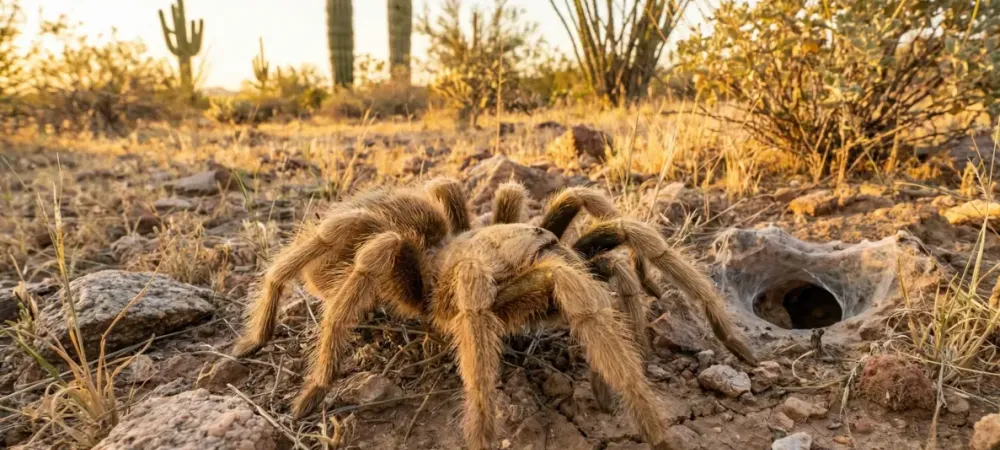
Many Arizona homeowners assume tarantulas only live in remote desert areas far from civilization. So when one appears on their suburban patio or garage floor, the reaction is often surprise — or alarm. How did a desert creature end up in their neighborhood?
The reality is that Arizona's urban and suburban areas haven't expanded into empty land. We've built communities directly within tarantula habitat. These spiders didn't move into your neighborhood — your neighborhood moved into theirs. Understanding where tarantulas naturally live and why they sometimes appear around homes helps you recognize that most encounters are normal, not signs of a problem.
Natural Tarantula Habitats in Arizona
Arizona tarantulas aren't restricted to remote wilderness areas. They inhabit a surprisingly broad range of environments across the state, which is why encounters in developed areas are more common than many people realize.
Preferred Ecosystems
Arizona's native tarantulas thrive in several distinct habitat types:
- Desert grasslands: Semi-arid areas with scattered grasses, shrubs, and open ground
- Sonoran scrubland: Areas dominated by creosote bush, mesquite, palo verde, and other desert shrubs
- Oak woodland transitions: Higher elevation areas where desert meets woodland, particularly in southern Arizona
- Rocky foothills: Mountainous terrain with loose soil pockets between rocks
- Bajadas: Gently sloping areas at the base of mountains where alluvial fans create ideal substrate
These habitats share key characteristics that tarantulas need: moderate vegetation cover for hunting, suitable soil for burrowing, and adequate prey populations.
Soil Requirements
Not all desert soil works for tarantula burrows. They prefer:
- Sandy loam or clay mixtures: Firm enough to hold burrow structure but soft enough to excavate
- Moderately compacted soil: Loose sand collapses; hard caliche is impossible to dig through
- Areas with some moisture retention: Completely dry soil makes burrowing difficult and doesn't provide humidity regulation
This is why you'll find tarantula burrows in certain areas but not others, even within the same general region.
Elevation Range
Arizona tarantulas occupy a broad elevation range, typically from 1,000 to 5,000 feet. The Arizona Blonde Tarantula, the state's most common species, is found throughout this range across southern and central Arizona. You'll find them from the low desert valleys around Phoenix and Tucson all the way up into the grasslands and oak woodlands at higher elevations.
This elevation range encompasses most of Arizona's population centers, which explains why suburban encounters are so common.
Underground Burrows: The Primary Tarantula Home
When people think of where tarantulas live, they often imagine them wandering across the desert. In reality, adult female tarantulas spend the vast majority of their lives underground in carefully constructed burrows. A tarantula burrow is an engineering feat for an animal without tools:
- Depth: Typically 8 to 18 inches deep, though some extend to 3 feet or more
- Diameter: About 1 to 2 inches wide—just large enough for the tarantula to fit comfortably
- Angle: Usually descends at a steep angle, sometimes with a horizontal chamber at the bottom
- Silk lining: The interior is lined with silk, which stabilizes walls and provides sensory feedback when prey approaches
- Entrance design: Often features a distinctive silk collar or turret at ground level
Creating a burrow takes considerable time and effort. Tarantulas excavate soil bit by bit, carrying it to the surface using their fangs and pedipalps. The process can take weeks, which is why they're so invested in maintaining their burrows long-term.
Where Tarantulas Hide Above Ground
While burrows are their primary residence, tarantulas occasionally use temporary above-ground shelter, particularly during specific environmental conditions or while traveling.
Natural Cover Options
When tarantulas are above ground but seeking protection, they utilize:
- Rock crevices: Natural gaps between boulders or rock outcroppings
- Fallen logs and bark: Decomposing wood provides dark, protected spaces
- Dense vegetation: Thick grass clumps, agave plants, or shrub bases
- Rodent burrows: Abandoned burrows from other animals sometimes serve as temporary shelter
- Debris piles: Natural accumulations of plant material and stones
When Surface Shelter Gets Used
Tarantulas typically retreat to these above-ground hiding spots during:
- Flash floods: When burrows fill with water during monsoon storms
- Extended rain: When burrows become too saturated to be comfortable
- Male wandering season: Males actively searching for mates take shelter wherever they find it
- Burrow damage: If a burrow collapses or is destroyed, tarantulas need temporary protection while excavating a new home
Why Sightings Increase During These Times
Most of the time, tarantulas remain hidden in their burrows and are functionally invisible to humans. But when environmental conditions force them above ground or into temporary shelters, encounter rates spike dramatically.
This is why monsoon season (July through September) sees the highest number of tarantula sightings. Heavy rains flood burrows, forcing tarantulas to seek alternative shelter, often under patio furniture, in garages, or near building foundations, where they find dry, protected spaces.
Why Do Tarantulas Show Up Around Homes?
Tarantulas are drawn to areas that mimic their natural habitat. Many Arizona landscaping and structural features provide ideal conditions for shelter and hunting:
- Landscaping: Rock gardens, boulders, gravel beds, woodpiles, mulched planting beds, and native desert plants create shade, moisture, and attract insects.
- Irrigation: Softens soil for easier burrowing and increases insect activity for food.
- Structures: Foundations, garages, patios, and utility openings offer protected, stable microclimates similar to natural burrows.
These features create overlapping habitat conditions, which is why tarantulas are often seen around yards, patios, and other outdoor areas near homes.
Do Tarantulas Live Inside Houses?
The short answer is no, tarantulas do not establish permanent residence inside houses. Indoor environments lack everything tarantulas need for long-term survival.
How Accidental Entry Happens
When tarantulas do enter homes, it's almost always accidental:
- Open doors or windows: Males wandering at night may simply walk through open entryways
- Gaps around garage doors: Common entry points for ground-traveling spiders
- Following insects: Pursuing prey that entered through cracks or vents
- Flooding events: Monsoon rains drive tarantulas to seek any available shelter
- Carried inside: Occasionally hitching a ride on firewood, boxes, or other items brought indoors
Why Indoor Sightings Are Brief
A tarantula inside your home is lost, not moved in. Most will actively seek an exit or find a dark corner to hide while waiting for an opportunity to leave. Indoor tarantulas typically die within days to weeks if they can't find their way back outside, as they can't access food, appropriate humidity, or suitable shelter.
If you find a tarantula indoors, it's trying to leave as much as you're trying to get it to leave.
What Tarantula Habitat Means for Homeowners
Having a suitable tarantula habitat on or near your property doesn't mean you have an infestation. Tarantulas maintain low population densities, are solitary, and don't reproduce rapidly. Seeing one or two individuals over the course of a season is completely normal in Arizona — it reflects healthy local ecosystems, not a pest problem.
Unlike insects or rodents that can quickly multiply into genuine infestations, tarantulas simply don't work that way. Each female maintains her own territory and burrow, and they don't congregate or form colonies.
The Role of Exclusion and Property Adjustments
Managing tarantula encounters focuses on exclusion rather than elimination:
- Seal entry points: Weather stripping, door sweeps, and foundation gap repairs prevent indoor access
- Modify immediate surroundings: Relocate woodpiles, reduce rock piles near entries, and maintain vegetation clearance around foundations
- Adjust outdoor lighting: Reduce insect attraction near doors and windows
- Create buffer zones: Maintain clear perimeters around high-use areas while accepting tarantula presence in less-used parts of your property
These approaches allow you to coexist with tarantulas while minimizing unwanted encounters.
How Greenleaf Pest Control Can Help With Tarantula Habitat Management
Our technicians know that tarantulas found around Arizona homes aren't invaders — they're native wildlife going about their lives in their natural habitat. We focus on creating boundaries that keep your living spaces protected while acknowledging that sharing the landscape with these remarkable creatures is simply part of living in Arizona.
Contact Greenleaf Pest Control today for a property evaluation that addresses your specific concerns about tarantulas and other types of spiders. We'll develop a customized plan that protects your home while respecting the unique desert ecosystem that makes Arizona special.