
Arizona Bark Scorpions
Arizona bark scorpions are one of the most talked-about pests in the Southwest — and for good reason. As the most venomous scorpion in North America, they’re a common concern for Arizona homeowners, especially during warmer months when scorpions are more active. From hiding in block walls and attics to slipping inside through tiny cracks, these pests are experts at getting close to people without being noticed.
This is your go-to resource for everything you need to know about Arizona bark scorpions. We break down how to identify them, where they’re most commonly found, why they’re attracted to homes, and what to do if you spot one inside or around your property. You’ll also learn practical prevention tips and when it makes sense to bring in professional help to keep your home protected.

What do Arizona Bark Scorpions Look Like?
Arizona bark scorpions are small, slender scorpions with features that help them blend into their surroundings. Their coloring and body shape often make them hard to spot, especially indoors or at night.
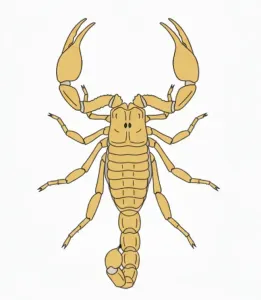
Key physical characteristics include:
- A pale yellow to light tan body that can appear almost translucent under certain lighting
- A long, narrow tail that curves over the back and ends in a stinger
- Slender pincers that are thinner than those of many other scorpion species
- Eight legs and a flat, elongated body that allows them to squeeze into tight cracks and crevices
- An average length of about 2 to 3 inches when fully grown
One of the easiest ways to identify an Arizona bark scorpion is under ultraviolet light. When exposed to UV or blacklight, their bodies glow a bright blue-green color, making them much easier to spot at night.
Because of their light coloring and ability to climb walls, trees, and block fences, Arizona bark scorpions are often mistaken for other harmless scorpion species. Proper identification is important, especially in areas where multiple scorpion types are present.
What are the Characteristics of Arizona Bark Scorpions?
Arizona bark scorpions have several defining characteristics that set them apart from other scorpion species:
- Venom: Their venom is neurotoxic and considered the most potent of any scorpion in North America. While stings are rarely life-threatening, they can cause intense pain, numbness, muscle twitching, and difficulty breathing in some individuals.
- Appearance: They are pale yellow to light tan in color with a slender body, thin pincers, and a long, narrow tail. Adults typically measure 2 to 3 inches in length.
- Climbing Ability: Unlike many scorpions, Arizona bark scorpions are excellent climbers. They can scale walls, trees, block fences, and even ceilings, which increases the likelihood of indoor encounters.
- Nocturnal Activity: Bark scorpions are nocturnal and are most active at night, when they hunt for insects and other small prey.
- UV Glow: When exposed to ultraviolet or blacklight, Arizona bark scorpions glow a bright blue-green color. This trait is often used to locate them around homes at night.
Are Arizona Bark Scorpions Aggressive?
Arizona bark scorpions are not naturally aggressive. They prefer to avoid people and typically sting only when they feel threatened, trapped, or accidentally touched. Most stings occur when someone unknowingly comes into contact with a scorpion in shoes, clothing, bedding, or dark areas of the home.
Can Arizona Bark Scorpions Get Inside Homes Easily?
Yes. Arizona bark scorpions can enter homes through very small cracks, gaps around doors and windows, vents, and plumbing openings. Their flat bodies and climbing ability allow them to access areas that many other pests cannot.
Why Do Arizona Bark Scorpions Glow Under Blacklight?
Arizona bark scorpions glow under UV light due to compounds in their exoskeleton. While the exact reason isn’t fully understood, this glow makes them much easier to spot at night and is often used as a detection method around homes.
How to Get Rid of Arizona Bark Scorpions
Getting rid of Arizona bark scorpions requires a combination of prevention, habitat reduction, and targeted treatment. Because these scorpions are skilled climbers and excellent at hiding, a single solution is rarely enough on its own.
- Eliminate Their Food Sources: Arizona bark scorpions feed on insects such as crickets, roaches, and spiders. Reducing insect activity around your home through proper sanitation and pest control can significantly lower scorpion populations.
- Seal Entry Points: Scorpions can enter through extremely small gaps. Sealing cracks in walls, foundations, and block fences, along with repairing weather stripping around doors and windows, helps prevent them from getting inside.
- Reduce Outdoor Harborage: Remove woodpiles, debris, rocks, and excess vegetation near the home. Trim trees and shrubs so they do not touch walls or the roof, and keep block walls clear of clutter where scorpions like to hide.
- Limit Indoor Hiding Spots: Indoors, reduce clutter in garages, closets, and storage areas. Keep beds slightly away from walls and avoid letting blankets touch the floor, which can reduce nighttime encounters.
- Use Sticky Traps: Glue boards can be placed along baseboards, in garages, and near entry points to help monitor and reduce scorpion activity. While they are not a complete solution, they can be helpful for detection.
- Professional Pest Control Treatments: Because Arizona bark scorpions are difficult to eliminate completely, professional treatments often provide the most reliable results. Targeted exterior applications, crack and crevice treatments, and ongoing maintenance can help keep populations under control.
Arizona Bark Scorpions Prevention Tips
Here are practical steps you can take to help prevent Arizona bark scorpions around your home:
- Control insects around the home by reducing moisture, sealing food sources, and addressing insect activity quickly
- Seal cracks and small gaps in foundations, walls, doors, windows, vents, and utility openings
- Trim trees, shrubs, and vegetation so they do not touch the home, and remove debris, woodpiles, and leaf litter
- Keep block walls and fences clear of clutter and seal visible gaps where scorpions can hide
- Fix leaky pipes, irrigation issues, and standing water that can attract insects and scorpions
- Use yellow or amber outdoor lighting to reduce insect activity at night
- Reduce indoor clutter, especially in garages, closets, and storage areas
- Shake out shoes, clothing, towels, and bedding before use
- Schedule routine pest control to help manage scorpions and the insects they feed on